
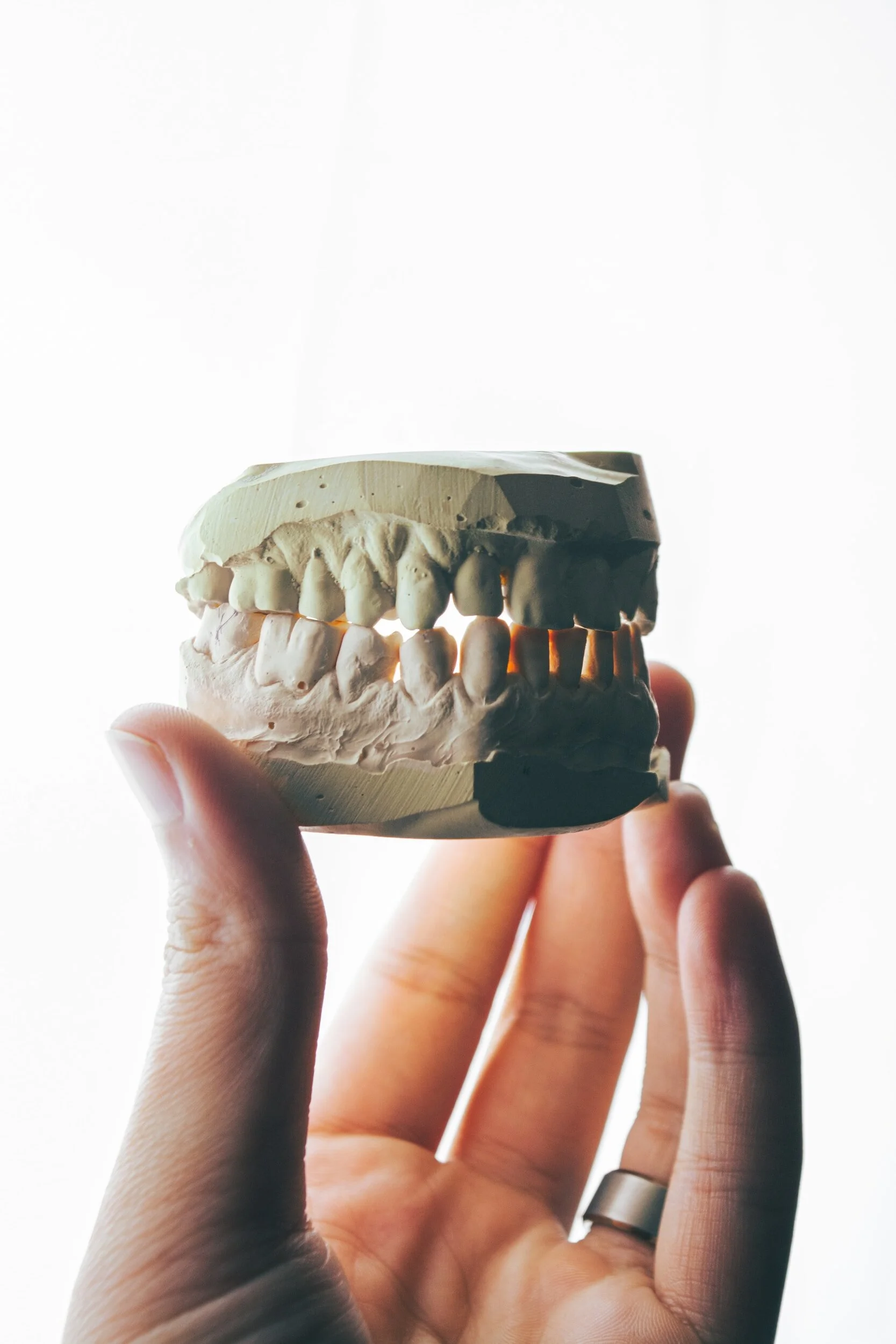
Temporomandibular joint (TMJ) disorders can have various causes, and treatment approaches may involve a multidisciplinary approach, including the involvement of healthcare professionals such as dentists, physical therapists, and, in some cases, chiropractors. However, it's important to note that the effectiveness of chiropractic treatment for TMJ disorders is a subject of debate, and there is limited scientific evidence to support its efficacy in treating this condition.
Causes of TMJ disorders may include:
Bruxism (Teeth Grinding or Clenching): Persistent teeth grinding or clenching can put strain on the TMJ.
Jaw Misalignment: An improper alignment of the jaw or bite can contribute to TMJ issues.
Arthritis: Inflammatory joint disorders such as arthritis can affect the TMJ.
Injury or Trauma: A direct injury to the jaw or surrounding areas can lead to TMJ problems.
Stress: Emotional stress can contribute to teeth clenching and jaw tension.
Chiropractic treatment for TMJ disorders may involve adjustments to the spine and neck, as chiropractors believe that misalignments in these areas can impact jaw function. Techniques may include manual adjustments, massage, and stretching exercises.
It's important to approach chiropractic care for TMJ disorders with caution and only after consulting with a healthcare professional. Dentists, oral surgeons, and physical therapists are often involved in the diagnosis and treatment of TMJ disorders. In some cases, a multidisciplinary approach that combines dental treatments, physical therapy, and stress management techniques may be more effective.
If you are considering chiropractic treatment for TMJ, it's crucial to consult with both your dentist and a chiropractor to ensure a comprehensive understanding of your condition and to develop a coordinated treatment plan that addresses your specific needs. Additionally, be aware that scientific evidence supporting the effectiveness of chiropractic care for TMJ disorders is limited, and individual responses to treatment may vary.